The reason I love Tokyo - great mix of food and local culture. A must eat
Overview
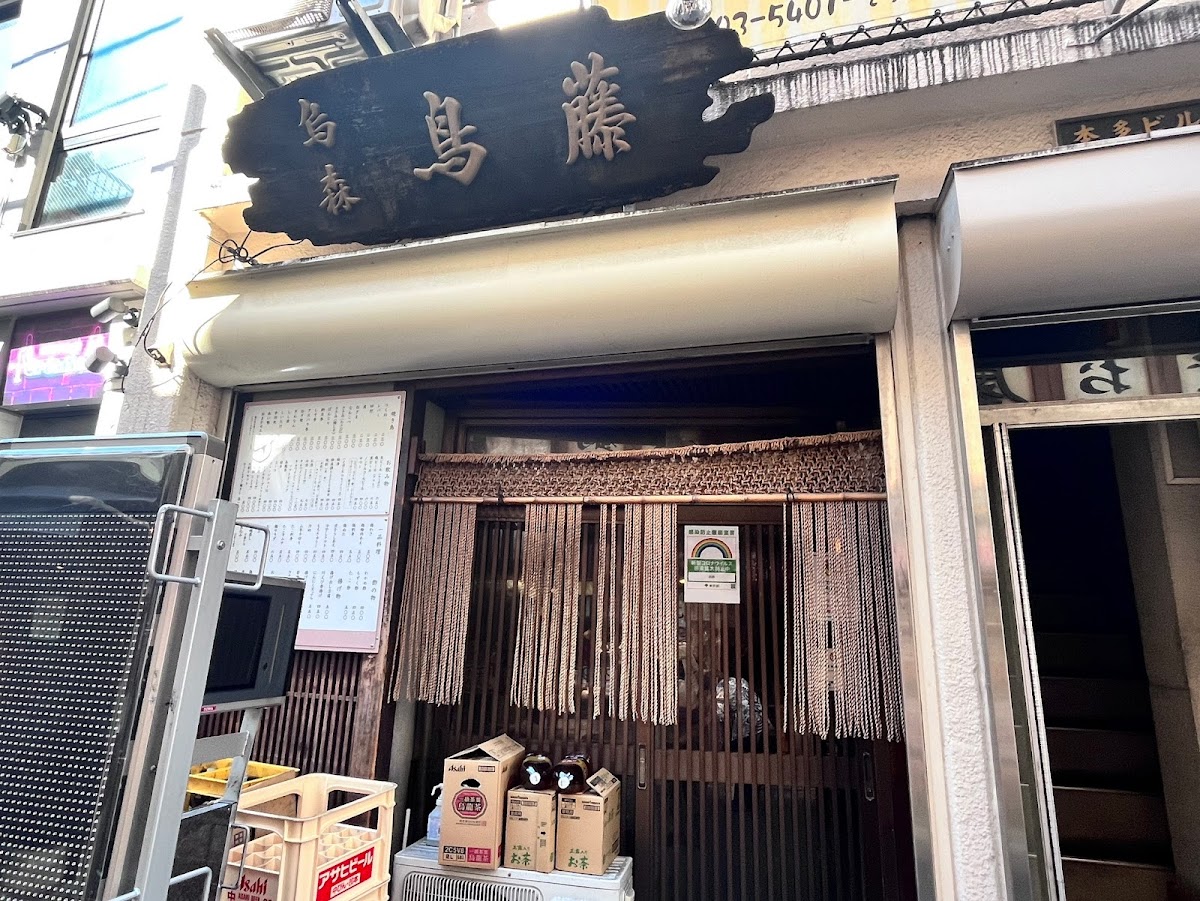
I still remember the first time I walked into Torifuji Shimbashi, tucked away on a narrow street near Japan, 〒105-0004 Tokyo, Minato City, Shinbashi, 3 Chome−13−7 本多ビル. It was one of those Tokyo evenings when you follow the sound of chatter and the smell of charcoal more than a map. The space felt lived-in rather than designed, which is usually a good sign. Locals were already settled in, jackets draped over chairs, clearly comfortable ordering without looking at the menu too long. That kind of confidence usually comes from repeat visits, and after my own experience, I understood why.
The menu focuses heavily on yakitori and chicken-based dishes, but what sets it apart is how deliberate everything feels. The chicken is sourced fresh, and the staff explained that different cuts are grilled at slightly different temperatures to preserve texture and flavor. That attention to detail lines up with what food science research often points out: precise heat control during grilling reduces moisture loss and keeps proteins tender. According to data published by Japan’s Ministry of Agriculture, properly managed charcoal grilling can enhance umami while limiting excessive charring, and you can taste that balance here.
One dish that stood out immediately was the tsukune. It arrived lightly charred on the outside, juicy inside, and brushed with a glaze that wasn’t overly sweet. The chef later mentioned using a traditional binchotan charcoal method, which burns cleaner and hotter than regular charcoal. Culinary institutes like the Japanese Culinary Academy often highlight binchotan as the gold standard for yakitori because it allows consistent heat without overpowering smoke. Sitting at the counter, watching skewers turned with calm precision, felt like a small live demonstration of that expertise.
Service plays a quiet but important role in the experience. Nobody rushes you, yet dishes arrive at a steady rhythm that keeps the table engaged. When I asked about pairing options, the server recommended a dry sake that complemented the grilled chicken without competing with it. That suggestion wasn’t random; studies from the National Research Institute of Brewing in Japan show that lighter, drier sakes tend to pair better with grilled proteins due to their clean finish. It’s reassuring when recommendations are grounded in knowledge rather than upselling.
Reviews from regulars often mention consistency, and that’s something I noticed too. On a return visit a few weeks later, the flavors and portion sizes were nearly identical. Consistency is harder than creativity in restaurants, especially in busy areas like Shinbashi where foot traffic is relentless. Industry experts often point out that maintaining quality over time is one of the strongest indicators of a well-run kitchen, and this place clearly takes that seriously.
The location itself adds to the charm. Being close to offices means the crowd shifts throughout the evening, from early after-work diners to late-night regulars. Despite that, the atmosphere never feels chaotic. The layout keeps conversations intimate, and even when it’s full, the noise level stays comfortable. It’s the kind of spot where you overhear someone describe it as their go-to yakitori place, and you don’t doubt them.
There are limits, of course. The menu is intentionally focused, so anyone looking for a wide range of non-chicken options might feel constrained. Seating can also be tight during peak hours, which may not suit larger groups. Still, those trade-offs seem intentional rather than accidental, keeping the experience centered on quality and technique rather than scale.
What stays with you most is how natural everything feels, from the cooking methods to the pacing of the meal. It doesn’t try to impress with gimmicks or trends. Instead, it relies on time-tested practices, skilled hands, and a clear understanding of what makes grilled chicken satisfying. That quiet confidence is rare, and once you notice it, it’s hard not to come back.
Good to know
Service options
✓ Dine-in ✓ Delivery ✓ TakeawayPopular for
✓ DinnerAccessibility
✓ Wheelchair-accessible car park ✓ Wheelchair-accessible entrance ✓ Wheelchair-accessible seating ✓ Wheelchair-accessible toiletOfferings
✓ Alcohol ✓ Beer ✓ Small plates ✓ Spirits ✓ WineDining options
✓ Dinner ✓ Counter service ✓ Seating ✓ Table serviceAmenities
✓ Gender-neutral toilets ✓ Toilet ✓ Wi-Fi ✓ Wi-Fi ✓ Smoke-free placeAtmosphere
✓ Casual ✓ CosyCrowd
✓ GroupsPlanning
✓ Dinner reservations recommended ✓ Accepts reservationsPayments
✓ Cash only ✓ au PAY ✓ dBarai ✓ PayPay ✓ Rakuten Pay ✓ Transit IC cards ✓ V-MoneyParking
✓ Paid street parkingPhotos
1 / 4
Location
Reviews
- No ratings yet 189 reviews
新橋少數評價高的燒鳥店。 對外國人也非常友善,點了生章魚、烤雞、雞翅和照片雞肉丸,還有帶骨的炸雞。 每一樣都精心調味。
新橋・烏森口からほど近く、歴史を感じさせる縄のれんがかかる入口。 カウンターでは、大将がストイックに炭火で一本一本丁寧に焼き上げる焼き鳥の香りが漂い、 一口目からもう心を鷲掴み! レバーも皮もぼんじりも、 どれも美味しいけど、特にレバーが最高 タレは甘すぎず濃厚で、 焼き加減も半生のトロトロ… 納豆を海苔で巻いた変わり種の串も なんだか落ち着く大衆酒場で 美味しい焼き鳥を楽しめました
ディナーでレバーと納豆焼きとつくねを。レバーは香ばしく中はしっとりで余韻がきれいです。納豆焼きは香りが重なり意外性がありながら後口は軽いです。つくねはふんわりとほどけタレの艶が上品でした。火入れが安定していて串ごとの表情が楽しい夜でした。